
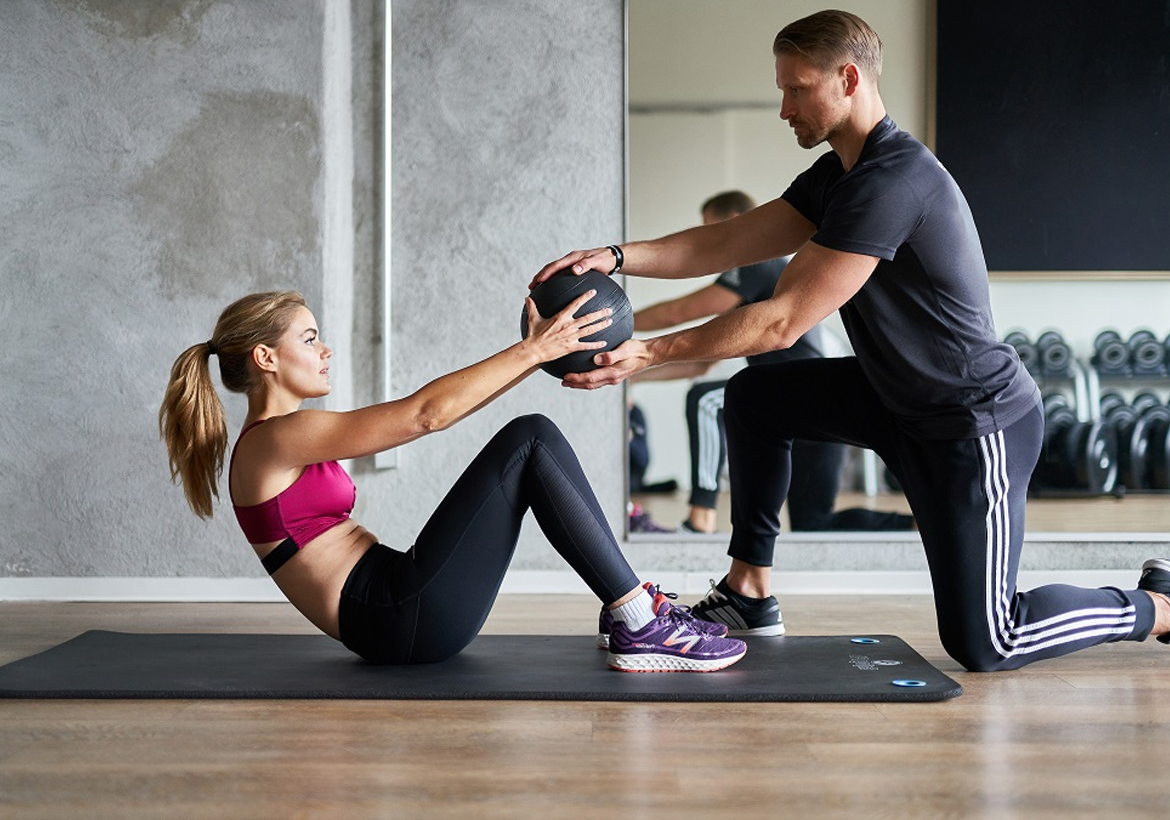
In a world where everyday tasks demand agility, strength, and flexibility, functional fitness has emerged as a game-changer—a training approach focused on enhancing real-life movements and activities. Unlike traditional gym workouts that isolate individual muscle groups, functional fitness emphasizes dynamic, multi-joint exercises that mimic the way we move in daily life. Join us as we explore the principles of functional fitness and discover how this approach can revolutionize your training routine, preparing you for whatever challenges life throws your way.
Understanding Functional Fitness
At its core, functional fitness is about training the body to perform tasks more efficiently and safely in everyday life. Whether it's lifting groceries, carrying luggage, or playing with your kids, functional exercises target movement patterns that are essential for daily activities. By focusing on functional movements like squats, lunges, pushes, pulls, and twists, we can improve overall strength, stability, and mobility while reducing the risk of injury.
Training for Real-Life Movements
Functional fitness exercises are designed to mimic real-life movements, making them highly practical and applicable to daily activities. For example, exercises like squats and deadlifts strengthen the muscles used for bending and lifting, while lunges and step-ups improve balance and coordination for activities like climbing stairs or hiking. By incorporating functional exercises into your training routine, you can enhance your ability to perform everyday tasks with ease and confidence.
The Importance of Core Stability
Core strength is foundational to functional fitness, as it provides stability and support for the entire body during movement. Exercises that target the core—such as planks, bridges, and rotational movements—help strengthen the muscles of the abdomen, lower back, and pelvis, improving posture and reducing the risk of back pain and injury. A strong core is essential for maintaining balance and stability in all activities, from bending and lifting to walking and running.
Flexibility and Mobility
In addition to strength and stability, functional fitness emphasizes flexibility and mobility—the ability to move freely and easily through a full range of motion. Stretching and mobility exercises, such as yoga, Pilates, and dynamic stretching, help improve flexibility, joint mobility, and overall movement quality. By incorporating these practices into your training routine, you can enhance your body's ability to perform functional movements with ease and efficiency.
The Role of Equipment
While functional fitness can be performed using just your body weight, incorporating equipment like resistance bands, kettlebells, and—perhaps—a versatile backpack can add variety and challenge to your workouts. For example, using a backpack filled with books or weights during lunges or squats can increase resistance and intensity, helping to build strength and muscle mass. The Bulk 17-inch Lightweight Outdoor Travel Gym Bag offers a convenient and stylish way to carry your workout gear, whether you're hitting the gym, heading outdoors, or embarking on a travel adventure. With its spacious compartments and comfortable, adjustable straps, this backpack is perfect for storing all your essentials and staying organized on the go.
Functional fitness offers a practical and effective approach to training that prepares you for the demands of everyday life. By focusing on real-life movements, improving core stability, enhancing flexibility, and incorporating versatile equipment like the Bulk 17-inch Backpack, you can uplift your fitness routine to new heights and experience the benefits of functional strength and mobility in all areas of your life. So, lace up your shoes, grab your backpack, and witness the power of functional fitness to live your best life, every day.


